
El seguro de entradas es una herramienta estratégica que protege tanto a compradores como organizadores ante contingencias personales del asistente, pero solo funciona cuando se comunica de manera transparente y se ofrece en el contexto adecuado. No todos los eventos lo necesitan: es más valioso para eventos con ventas anticipadas extensas, entradas de alto valor o audiencias que viajan para asistir. La clave está en explicar claramente qué cubre y qué no cubre, sin incluirlo por defecto en el carrito y manteniendo el control total sobre cómo se presenta en tu plataforma de venta.
Organizing an event means managing dozens of variables. Date, artist, venue, production, marketing. But there's one question many event organizers leave until the end, and it can define their brand perception when facing an unexpected cancellation: what happens to tickets if something goes wrong?
Ticket insurance emerged as an answer to this uncertainty. A mechanism that, when properly implemented, can protect both buyers and organizers. But when poorly communicated or applied in the wrong context, it can create friction, distrust, or unnecessary costs.
In this article, you'll understand exactly what ticket insurance is, when it makes sense to offer it, how it affects the buyer experience, and what mistakes to avoid. All from a practical perspective, designed for organizers looking to professionalize their online ticket sales operation without losing control of their communication or brand.
What is ticket insurance
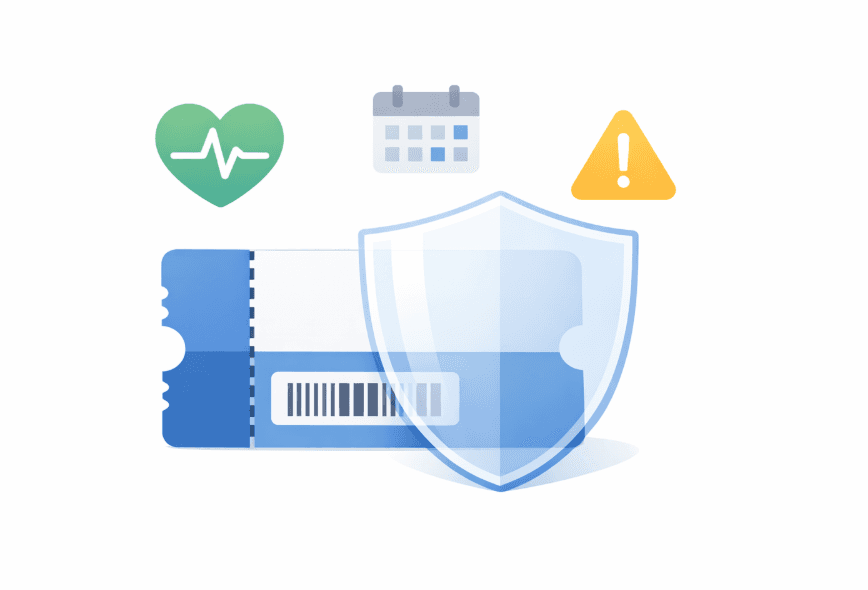
Ticket insurance is an additional service offered to buyers at the time of purchase. Its function is to cover unforeseen situations that prevent the attendee from using their ticket, such as illness, accident, or personal emergency.
Unlike standard ticket refund policies, insurance is usually contracted voluntarily by the buyer and has an additional cost. Generally, it's backed by an external insurance company that defines coverage terms, accepted reasons for reimbursement, and the claims process.
It's important to differentiate this mechanism from other related concepts:
Ticket refunds due to event cancellation are the organizer's responsibility.
Ticket insurance covers buyer contingencies, not event issues.
Transfer or exchange policies are internal tools of the ticketing platform or organizer, not insurance.
This distinction is key because many buyers confuse these terms, and poor communication can create incorrect expectations that end in complaints, negative reviews, or loss of trust.
When to offer ticket insurance
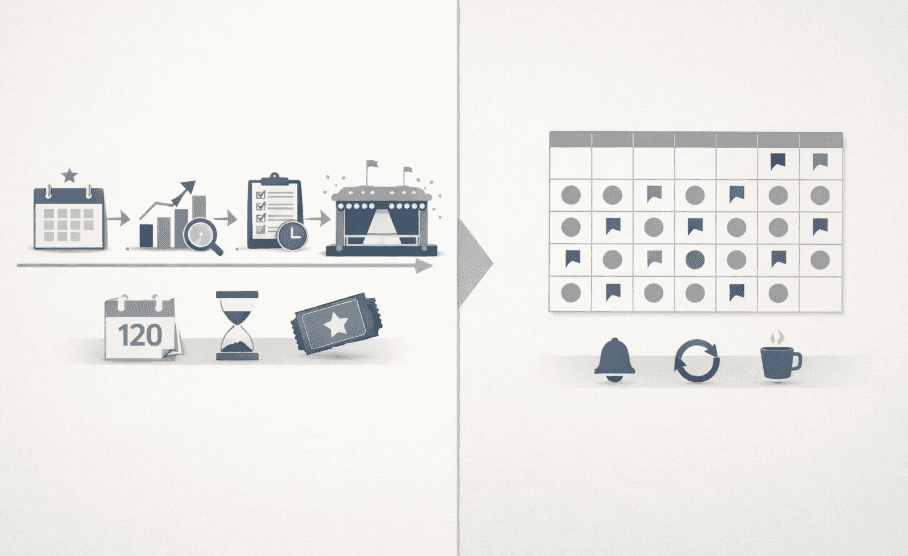
Not all events need ticket insurance. Nor do all audiences value it the same way. The decision to include it should be based on the event profile, average ticket price, and expected buyer behavior.
Cases where it's usually recommended
Ticket insurance tends to generate value when certain conditions are met:
Events with extended advance sales. If tickets are sold months in advance, the probability of buyers facing unforeseen circumstances between purchase and event date increases. Festivals like Coachella or SXSW, international tours, or unique events often fall into this category.
High-value tickets. When the ticket price represents a significant investment for the buyer, the ability to protect that purchase becomes more attractive. Insurance functions as emotional and economic backup.
Audiences that travel to attend. If a significant portion of your audience comes from other cities or countries, the risk of logistical contingencies increases. In these cases, insurance can be a differentiator that facilitates the purchase decision.
High-demand events without official resale options. If buyers know they can't easily transfer or resell their ticket, insurance becomes the only option when facing unforeseen circumstances.
Cases where it doesn't always add value
Including ticket insurance isn't an automatic decision. There are contexts where it can generate more noise than value:
Recurring or low-cost events. If you organize weekly theater performances or shows with affordable tickets, insurance might seem disproportionate. Buyers would probably prefer to simply buy another ticket for a different date.
Young audiences with low risk aversion. Certain segments, especially at massive events or youth festivals like Lollapalooza, don't usually value these types of coverage. Including them can add checkout friction without improving conversion.
When you can't communicate it properly. If your sales system doesn't allow you to clearly explain what insurance covers and what it doesn't, it's better not to offer it.plataforma de venta de entradas online Confusion creates more problems than the absence of the service.
How ticket insurance influences buyer experience
The buyer experience doesn't end when payment is confirmed. It starts earlier, when users evaluate whether they trust the event, platform, and organizer. And it continues afterward, if any issues arise.
Offering ticket insurance can improve that experience in several ways:
Reduces purchase decision friction. Knowing there's a protection option can help hesitant buyers take the final step. Especially for events with long advance sales or high prices.
Communicates professionalism. A checkout that considers contingencies communicates that the organizer thought of everything. This builds brand and differentiates your operation from competitors.
Minimizes complaint impact. When a buyer faces unforeseen circumstances and can't attend, their frustration usually channels toward the organizer. If active insurance exists, the resolution process is handled by the insurer, reducing operational and emotional burden for your team.
But there are also risks. If insurance isn't communicated well, buyers might feel they're being sold something unnecessary. Or worse, they might assume they're covered for any situation, including event cancellation by the organizer, which isn't true.
Therefore, ticket insurance only improves experience when accompanied by clear and transparent communication.
How to communicate ticket insurance without affecting sales
How you present insurance can make the difference between a buyer who perceives it as a benefit and one who sees it as an aggressive sales tactic.
What to say and what to avoid
Say:
What situations insurance covers (illness, accident, documented emergency).
What situations it doesn't cover (change of plans, regret, event cancellation).
How the claims process works and who manages it.
That it's optional and doesn't affect ticket validity.
Avoid:
Alarmist phrases like "protect your investment against the unexpected" without context.
Including insurance pre-selected by default in checkout.
Using ambiguous language that could be interpreted as total coverage.
Promising refund timeframes that don't depend on you.
The key is for buyers to feel they have control over the decision. That they understand exactly what they're contracting and what they're not.
Where to communicate it
Public communication about insurance should be present at several points in the purchase flow, without being invasive:
On the event page. A brief paragraph explaining that insurance is available, with a link to terms and conditions.
In checkout. A clear option with summary description and access to complete information. Never pre-selected.
In confirmation email. A reminder of whether the buyer contracted insurance or not, with instructions on what to do if they need to use it.
In FAQ section. Direct answers to the most common doubts: what it covers, what it doesn't cover, how to claim, resolution timeframe.
If you use a white-label ticketing platform with your own domain and full design control, you can integrate this information coherently with your visual identity and communication tone. This reinforces trust and prevents buyers from feeling they're interacting with a generic system.
Common mistakes when offering ticket insurance
Many organizers make avoidable mistakes that end up affecting their reputation or generating conflicts with buyers.
Confusing insurance with refund policy. Insurance covers buyer contingencies. Refunds for event cancellation are something else. If you don't make this difference clear, you'll receive inappropriate complaints.
Not reading insurer terms. Before offering insurance, you need to know exactly what it covers, what it excludes, and how the claims process works. If a buyer has a problem and you can't respond, frustration falls on your brand.
Including it by default in cart. This practice, known as a "dark pattern," generates distrust and can damage your long-term reputation. Buyers must actively choose whether they want insurance.
Not training customer service team. If someone on your team responds incorrectly to an insurance inquiry, the damage is done. Everyone who interacts with buyers should know the service's scope and limits.
Offering insurance for events where it doesn't make sense. As mentioned before, not all events need it. Forcing the option can create unnecessary friction in the purchase process.
What a ticketing platform should allow when offering ticket insurance
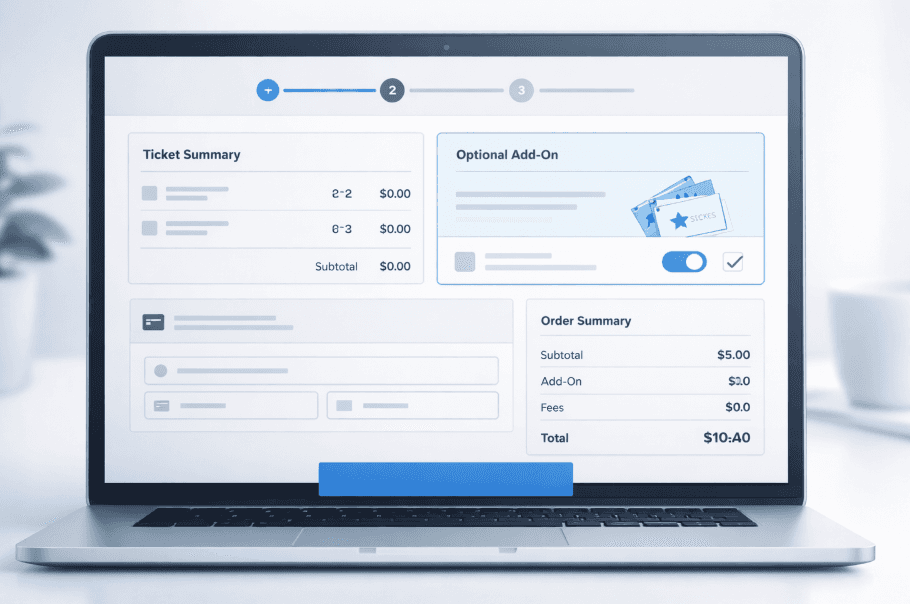
If you decide to offer ticket insurance, you need your online ticket sales platform to give you the tools to do it right. Having the technical option to add the service isn't enough. You need real control over how it's presented, communicated, and managed.
A professional ticketing platform should allow you to:plataformas de ticketing profesionales
Customize insurance communication. From checkout text to confirmation emails. Your brand, your tone, your message.
Define which events offer it and which don't. Not all events are the same. You should be able to activate or deactivate the option based on the case.
Access clear reports. Know how many buyers contracted insurance, at which events, and with what conversion rate. This information helps you make better decisions.
Maintain purchase flow control. If checkout is on your domain, with your design and navigation logic, you can integrate insurance coherently with the rest of the experience.
Manage post-sale communication. If a buyer has questions or needs to make a claim, they should be able to contact you directly, not a generic system that doesn't know your event.
When working with a white-label ticketing platform, all this is possible. Because the system adapts to your operation, not the other way around.plataforma de entradas marca blanca
Conclusion
Ticket insurance isn't a minor accessory. It's a strategic decision that affects your brand perception, buyer experience, and response capacity to unforeseen circumstances.
Offering it well requires understanding your audience, communicating clearly, and working with tools that give you real control over each stage of the process. From the first impression on the event page to the confirmation email that arrives after purchase.
It's not about selling more. It's about building trust. And trust, in the events world, is what separates organizers who grow from those who stagnate.
Frequently asked questions
Does ticket insurance cover event cancellation by the organizer? No. Ticket insurance is designed to cover personal buyer contingencies, such as illness or emergencies. Event cancellation by organizer decision is handled through refund policies, which are independent of insurance.
Is it mandatory to offer ticket insurance for my events? No. It's an option each organizer can evaluate based on event type, audience profile, and ticket value. Not all events benefit from including this option.
What happens if a buyer contracts insurance but doesn't read the terms and later claims something not covered? The responsibility for clearly communicating what insurance covers and doesn't cover is shared between organizer and insurer. That's why it's essential that information is visible in checkout, confirmation email, and FAQ section.
Can I offer ticket insurance if I use a ticketing platform that's not my brand? It depends on the platform. Some ticketing services allow third-party insurance integration, but they don't always give you control over how it's communicated or presented. If you want to maintain brand coherence and tone, ideally work with a white-label ticketing platform that lets you customize the entire purchase experience.
Does ticket insurance improve conversion rate? It can in events with extended advance sales or high-value tickets, where buyers value the ability to protect their investment. But if communicated poorly or offered in contexts where it doesn't make sense, it can have the opposite effect.
¿Qué es el seguro de entradas para eventos y para qué sirve?
El seguro de entradas es un servicio adicional que se ofrece a los compradores al momento de la compra. Su función es cubrir situaciones imprevistas que impidan al asistente usar su entrada, como enfermedad, accidente o emergencia personal. A diferencia de las políticas estándar de reembolso de entradas, el seguro se contrata voluntariamente por el comprador y tiene un costo adicional. Generalmente está respaldado por una compañía de seguros externa que define los términos de cobertura, las razones aceptadas para el reembolso y el proceso de reclamos.
¿Cuándo conviene ofrecer seguro de entradas en un evento?
El seguro de entradas conviene en eventos con venta anticipada extendida donde las entradas se venden con meses de anticipación, eventos con entradas de alto valor donde el precio representa una inversión significativa para el comprador, audiencias que viajan para asistir al evento, y eventos de alta demanda sin opciones oficiales de reventa. No siempre añade valor en eventos recurrentes o de bajo costo, audiencias jóvenes con baja aversión al riesgo, o cuando no se puede comunicar adecuadamente qué cubre y qué no cubre.
¿El seguro de entradas cubre la cancelación del evento por parte del organizador?
No. El seguro de entradas está diseñado para cubrir contingencias personales del comprador, como enfermedad o emergencias. La cancelación del evento por decisión del organizador se maneja a través de políticas de reembolso, que son independientes del seguro. Esta distinción es clave porque muchos compradores confunden estos términos, y una mala comunicación puede crear expectativas incorrectas que terminan en quejas, reseñas negativas o pérdida de confianza.
¿Cómo se debe comunicar el seguro de entradas sin afectar las ventas?
Se debe comunicar qué situaciones cubre el seguro como enfermedad, accidente o emergencia documentada, qué situaciones no cubre como cambio de planes, arrepentimiento o cancelación del evento, cómo funciona el proceso de reclamos y quién lo gestiona, y que es opcional y no afecta la validez de la entrada. Hay que evitar frases alarmistas, incluir el seguro preseleccionado por defecto en el checkout, usar lenguaje ambiguo que pueda interpretarse como cobertura total, y prometer plazos de reembolso que no dependan del organizador.
¿Qué funcionalidades debe permitir una plataforma de ticketing para ofrecer seguro de entradas correctamente?
Una plataforma profesional de ticketing debe permitir personalizar la comunicación del seguro desde el texto del checkout hasta los emails de confirmación con tu marca y tono, definir qué eventos lo ofrecen y cuáles no, acceder a reportes claros sobre cuántos compradores contrataron seguro y con qué tasa de conversión, mantener control del flujo de compra con checkout en tu dominio y diseño, y gestionar la comunicación post-venta para que los compradores puedan contactarte directamente. Cuando trabajás con una plataforma de ticketing white-label, todo esto es posible porque el sistema se adapta a tu operación.
¿El seguro de entradas mejora la tasa de conversión de ventas?
Puede mejorar la conversión en eventos con venta anticipada extendida o entradas de alto valor, donde los compradores valoran la posibilidad de proteger su inversión. Saber que existe una opción de protección puede ayudar a compradores indecisos a dar el paso final. Pero si se comunica mal u ofrece en contextos donde no tiene sentido, puede tener el efecto contrario. El seguro solo mejora la experiencia cuando va acompañado de una comunicación clara y transparente, permitiendo que los compradores sientan que tienen control sobre la decisión.
Tags