
Los datos de compradores de tickets son el activo más valioso para cualquier productor de eventos, pero las plataformas tradicionales se quedan con esa información crucial. Una plataforma de ticketing white-label te permite mantener el control total de emails, historial de compras y comportamiento de usuarios para crear estrategias de marketing directo que multiplican las ventas. Los organizadores que implementan remarketing basado en sus propios datos reportan un aumento promedio del 35% en ventas recurrentes y reducen a la mitad los costos de adquisición de nuevos compradores.
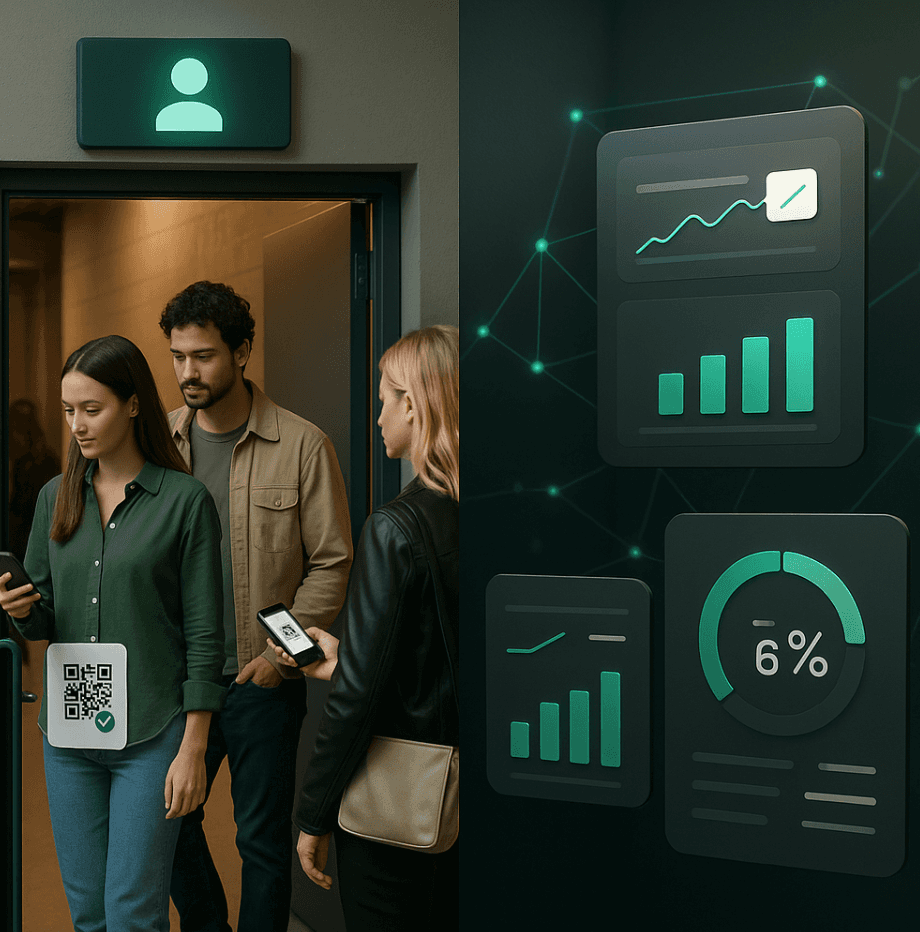
If you organize events in the US, you know that every ticket sold represents much more than a transaction: it's an opportunity to build a lasting relationship with your audience. However, many producers and organizers are missing out on one of the most powerful tools for growth: the ticket buyer data from every person who trusts your show.
Most traditional ticketing platforms keep this information locked away. You sell the tickets, but they keep the email addresses, names, and purchase history of your customers. It's like running a business where someone else controls your customer database. Plus, buying tickets online should be simple and fast, allowing users to access your events with just a click.
In this article, we'll show you exactly what information you can obtain, how to use it to multiply your sales, and why you need a platform that gives you total control over every data point, leveraging the services and solutions that modern platforms offer for efficient buyer data management.
What data does a modern ticketing platform collect and why is it so valuable
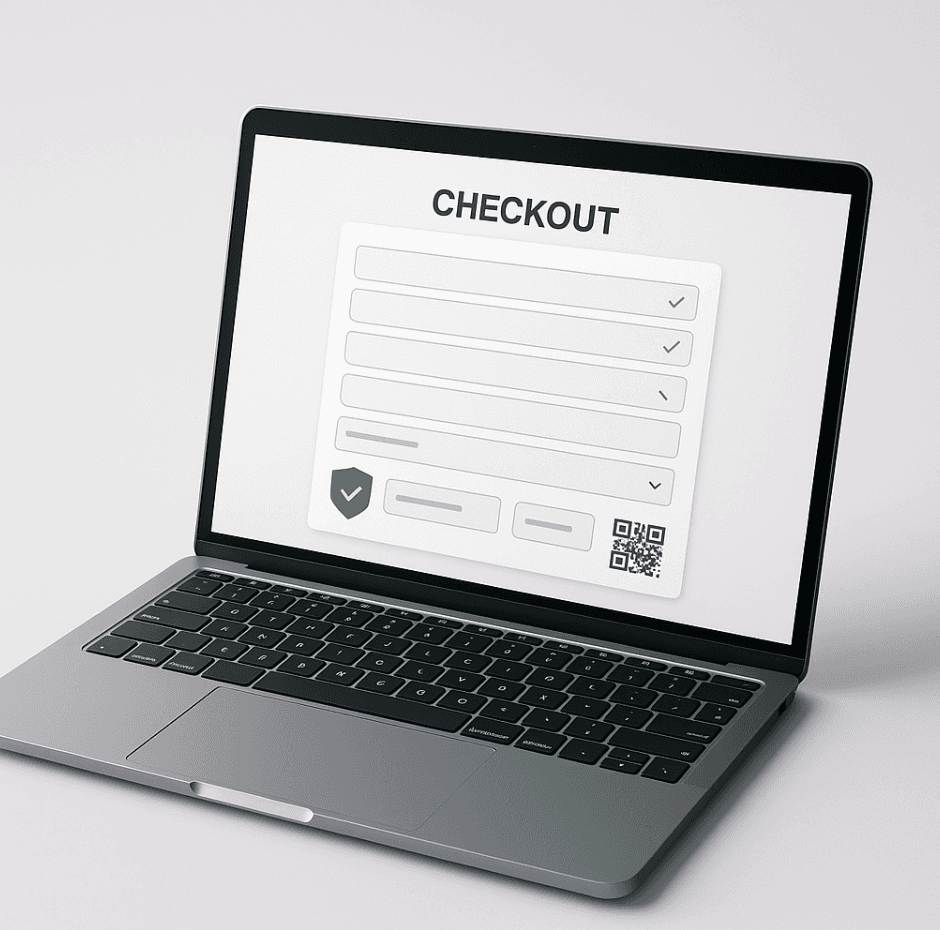
When someone buys a ticket for your event through a digital platform, it generates a significant amount of information that goes far beyond the simple payment. A professional ticketing system captures essential data at every step of the sales process.
Basic buyer information:
Full name and ID
Email and phone number
Confirmation email
Type of ticket purchased
Number of tickets per transaction
Payment method used (credit card, ACH transfer, Apple Pay, Stripe, among others)
Purchase behavior:
Exact date and time of transaction
Previous events they attended
Purchase history from your previous shows
Tickets they browsed but didn't buy
Time from first click to completing purchase
This information is pure gold for any producer. It allows you to understand who your real audience is, what type of shows they prefer, and when they're most willing to buy. Additionally, the numbers and statistics obtained from this data allow you to analyze concrete results and make evidence-based decisions. With this data, you can create personalized communication strategies that multiply your sales exponentially.
The problem with traditional ticketing platforms: data that isn't yours
Here's the major problem in the US entertainment industry: most ticket sales platforms function as intermediaries that "rent" you the ticketing service, but keep what's most valuable: your user base.
Imagine this situation: Caroline is a producer of electronic music festivals in Austin. For three years she sold all her tickets through a major ticketing platform. She managed to sell over 50,000 tickets during that period. When she wanted to host a special event and contact her most frequent buyers, she discovered she had no access to any emails. The platform wouldn't give her the data. She had to start from scratch with each show, relying solely on social media where organic reach is increasingly limited.
This is the business model of many ticketing platforms: you generate the audience with your work, your brand, and your content, but they control access to that audience. It's a systemic problem affecting producers, venues, and organizers across the country.
Consequences of not having control over your data:
You can't do direct remarketing to people who already bought
You lose the opportunity to offer personalized discounts
You don't build your own customer base
You depend eternally on paid advertising for each event
You don't know the real profile of your audience
Frequent buyer questions arise that you can't resolve efficiently, since you don't have access to the necessary information to answer queries or concerns about the purchase process and ticket recovery.
The most successful production companies in the US have already understood that the future of entertainment involves having your own infrastructure. It's not just about selling tickets: it's about building a community that grows with each show.
Facing this landscape, modern platforms propose to offer a comprehensive and personalized solution, including design, development, and branding, optimizing the user experience and facilitating efficient ticket management and sales.
Solution: a ticketing platform that delivers and activates buyer data
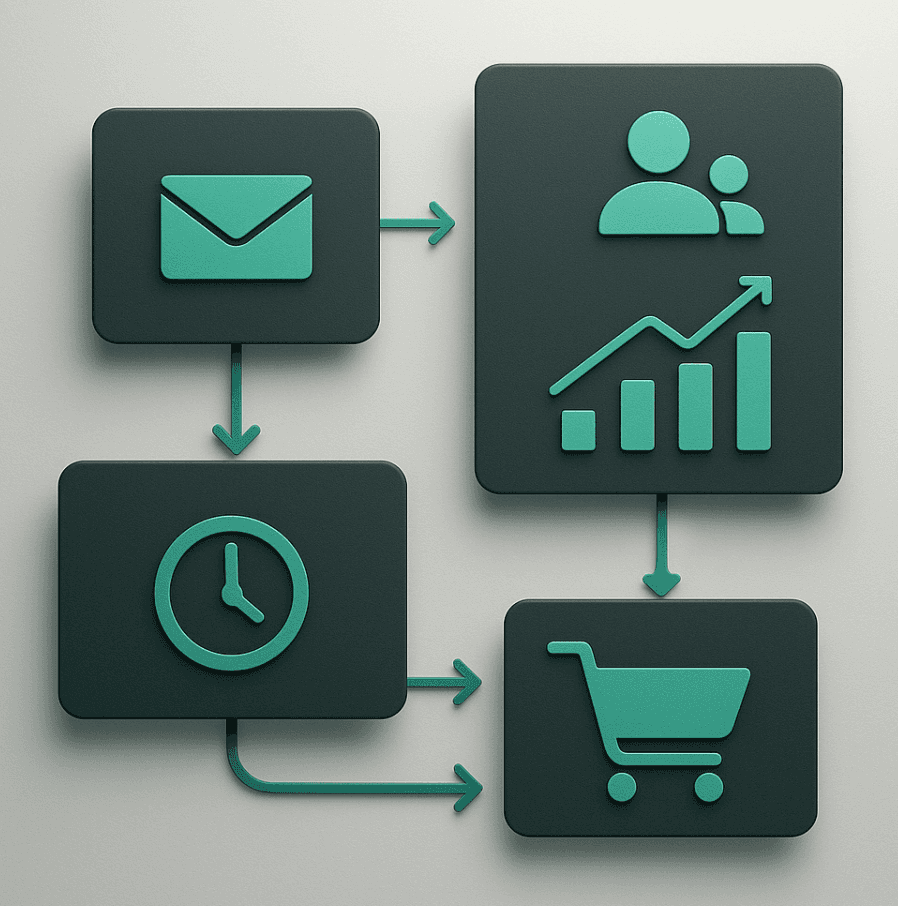
The good news is that there's a different way to work. Modern white-label platforms are changing the game in ticket sales, putting control where it should be: in the hands of the organizer. Additionally, these platforms offer comprehensive solutions for event management, facilitating everything from ticket sales to customization and data analysis.
A white-label ticketing platform operates under your domain and with your branding. When someone buys a ticket, they do so directly on your website, not on a third party's. And most importantly: every piece of data generated in that process belongs to you completely.
Key features you should look for:
Own domain: The purchase happens on your URL (yourevent.com), not on generic-ticketing.com
Exportable database: Immediate access to all your user information at any time
Marketing tool integration: Direct connection with email marketing and remarketing platforms
Customizable forms: Capture exactly the data you need according to the type of event
QR code technology: Entry control with real-time validation
Additional services: Specialized technical support, integration with other systems, and support across different time zones to improve user experience
Take the case of Martin, a producer of independent theater works in Chicago. By migrating to a white-label platform, he was able to export data from his 3,000 historical buyers. He created a segmented email strategy by preferred theater genre. Result: he increased his sales by 40% in the first quarter and cut his advertising costs in half, because now he was communicating directly with people who had already trusted his work.
Event management and the role of data in organization
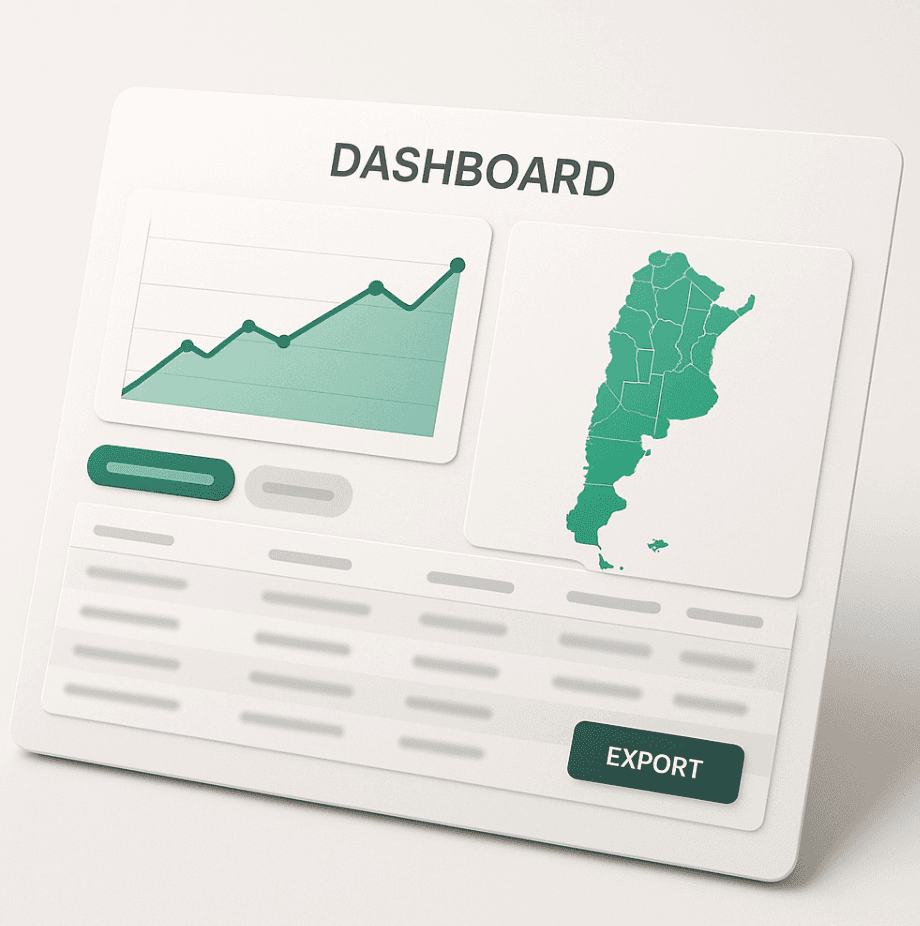
In the US entertainment industry, event management goes far beyond simple ticket sales. Data has become the engine that drives every strategic decision, from buyer communication to customer experience optimization. A modern ticketing platform not only facilitates sales, but also collects key information that allows producers and organizers to personalize every aspect of the event.
For example, by analyzing purchase data, you can identify what type of tickets have the highest demand, at what point in the process the most sales occur, and what promotions generate better results. This allows you to adjust your strategy in real-time, offering specific discounts to buyer segments or improving communication to increase conversion.
Additionally, data helps anticipate trends and plan programming for future events. If you notice that a certain type of show has sustained growth, you can invest with greater confidence and design more effective marketing campaigns. In a market as dynamic as the US, having accurate information is the difference between a successful event and one that goes unnoticed.
Ultimately, data-driven event management transforms the relationship with the public, optimizes resource allocation, and maximizes revenue. The producers and organizers who adopt this mindset are leading innovation in the entertainment industry.
How to use your buyer data to increase your sales
Having access to data is the first step. The second is activating it intelligently. Here we share the most effective strategies being used by the most successful organizers in the US, including using email for personalized campaigns and direct remarketing to users.
When implementing these strategies, it's essential to analyze the numbers and metrics obtained to measure success and continuously optimize results.
Email and digital media remarketing
Direct communication is the most profitable way to sell tickets. When you have your buyers' emails, you can:
Announce your next event before public launch
Offer exclusive presales with special discounts
Send reminders when a show similar to one they already bought is approaching
Recover abandoned carts (people who started the purchase but didn't complete it)
Pro tip: Segment your base by event type. Don't send rock concert information to people who only buy stand-up comedy tickets. Relevance is key to maintaining high open and conversion rates.
Behavior analysis to improve your offering
Data allows you to identify patterns that aren't obvious. For example:
How far in advance of the event does most people buy?
What day of the week and what time are most tickets sold?
What's the ideal price that maximizes volume without sacrificing revenue?
How many times does a person need to see your event before deciding?
This analysis gives you an advantage over the competition. Analyzing concrete numbers and statistics allows you to adjust your launch strategy, pricing, and communication based on real facts, not intuitions.
Community building and loyalty
Repeat buyers are the most valuable asset of any production company. With access to your data, you can:
Step-by-step to build loyalty:
Identify your frequent buyers (those who bought 3 or more times)
Create an exclusive benefits program for this group
Send them special content: behind the scenes, artist interviews, early access
Offer them preferential conditions and priority communication
Ask for feedback, send them a thank you message, and make them feel part of the project
Lucy, organizer of comedy festivals in Portland, implemented a simple VIP program: those who bought tickets to three shows in a year received a free ticket for the fourth. In six months, she tripled her repeat buyer base and generated consistent sales even in traditionally slow months.
Real data: Organizers who implement remarketing strategies based on their own data report an average 35% increase in repeat sales and a 50% reduction in acquisition costs for each new buyer.
Experience personalization
With the right information, you can make each person feel like the event was designed for them:
Seat recommendations based on previous purchases
Show suggestions based on their history
Event recommendations based on distance to venue or ease of buying tickets remotely
Communication at the right time (not too early or late)
Payment options adapted to their previous preferences
This level of personalization isn't possible if a third party controls your data. You need direct and real-time access to all information.
Security and privacy: how to protect your buyers' data
Trust is a fundamental pillar in online ticket sales. Buyers expect their personal and financial data to be protected at all times, and organizers have the responsibility to guarantee that security. A reliable ticketing platform must implement advanced encryption technologies and robust authentication systems to safeguard information throughout the entire sales process.
In practice, this means that every piece of data entered by the user—from name and ID to credit card details—must travel securely and be stored under strict privacy protocols. Additionally, it's essential that organizers be transparent about data usage: clearly inform what the data will be used for and obtain explicit consent from users.
Modern platforms like Stripe have raised the security bar significantly, implementing tokenization systems that protect sensitive financial information and comply with PCI DSS standards. When choosing a ticketing solution, make sure it integrates with these secure payment processors and follows industry best practices.
Essential security measures:
SSL encryption for all data transmission
Secure payment processing through platforms like Stripe or Apple Pay
Regular security audits and updates
Restricted access to sensitive information
Clear privacy policies and user consent
Backup and recovery systems for data protection
Remember: data security isn't just a legal obligation, it's the foundation of trust that allows you to build long-term relationships with your audience.
Success cases: producers who transformed their business with data
Let's look at real examples of how access to buyer data can transform an entertainment business in the US market.
Case 1: Electronic Music Festival in Miami
Miami Electronic Music Collective was organizing underground electronic music events but struggled to build a consistent audience. After switching to a white-label platform, they discovered that 60% of their audience was between 25-34 years old and preferred purchasing tickets 2-3 weeks before events.
With this information, they:
Adjusted their marketing calendar to launch campaigns exactly 3 weeks before each event
Created age-specific content for social media
Developed an email sequence that nurtured buyers from interest to purchase
Result: 180% increase in ticket sales in 8 months and a 45% increase in repeat attendance.
Case 2: Comedy Theater in Brooklyn
The Laugh Lab was a small comedy venue that depended entirely on walk-in traffic. By implementing a data-driven ticketing system, they discovered their most loyal customers lived within a 15-mile radius and preferred Thursday-Saturday shows.
Their strategy:
Local neighborhood email campaigns
Loyalty program for frequent attendees
Partnerships with local businesses for cross-promotion
Result: Venue capacity increased from 40% to 85% average attendance, and they launched a second weekly show due to demand.
Case 3: Music Festival Circuit in Texas
Texas Sound Circuit organized multiple festivals across the state but had no way to track cross-event attendance. With access to comprehensive buyer data, they discovered that 30% of attendees went to multiple festivals in their circuit.
They implemented:
Season passes for multiple events
Cross-event recommendations based on music preferences
VIP experiences for multi-festival attendees
Result: 25% increase in overall revenue and creation of a true festival community that follows their events throughout the year.
Practical implementation: your first steps
Now that you understand the power of buyer data, here's how to start implementing these strategies in your events:
Week 1: Audit your current situation
List all the data you currently have access to
Identify what information you're missing
Calculate the cost of customer acquisition through current methods
Research white-label ticketing platforms that fit your budget and needs
Week 2-3: Choose and implement your platform
Test the user experience of potential platforms
Ensure integration with your preferred payment methods (Stripe, Apple Pay, ACH)
Set up your branded ticketing page
Configure data collection forms
Week 4: Launch your first data collection campaign
Create a simple email sequence for new buyers
Set up basic remarketing campaigns
Implement abandoned cart recovery emails
Start collecting feedback from attendees
Month 2-3: Analyze and optimize
Review your first month's data
Identify top-performing buyer segments
Refine your email marketing based on open and click rates
Plan your next events based on buyer preferences
Remember: this is a long-term strategy. The more data you collect and the more you understand your audience, the more powerful your marketing becomes.
The future of event production is data-driven
The entertainment industry is rapidly evolving toward a model where data drives every decision. Successful producers are no longer those who simply create good events, but those who understand their audience deeply and build lasting relationships through personalized experiences.
Major festivals like Coachella, SXSW, and Lollapalooza have been using buyer data for years to create increasingly personalized experiences, from customized merchandise recommendations to targeted social media content. Smaller producers now have access to the same tools and can compete on the same level.
The question isn't whether you should start collecting and using buyer data—it's how quickly you can implement these strategies before your competition does. In an oversaturated entertainment market, the events that survive and thrive will be those that truly know their audience and can communicate with them directly.
Your buyer data is your most valuable asset. It's time to take control of it and use it to build the entertainment business you've always envisioned.
¿Qué tipo de datos de compradores puede recopilar una plataforma de ticketing moderna?
Una plataforma de ticketing moderna recopila información básica del comprador como nombre completo, DNI, email, teléfono, tipo de entrada comprada, cantidad de tickets por transacción y método de pago usado. También captura datos de comportamiento de compra como fecha y hora exacta de la transacción, eventos anteriores que asistió, historial de compras de tus shows previos, entradas que vio pero no compró, y tiempo desde el primer clic hasta completar la compra. Esta información permite entender quién es tu audiencia real, qué tipo de shows prefieren y cuándo están más dispuestos a comprar.
¿Por qué las plataformas tradicionales de ticketing son problemáticas para los productores?
Las plataformas tradicionales funcionan como intermediarios que te alquilan el servicio de ticketing pero se quedan con lo más valioso: tu base de usuarios. Vos generás la audiencia con tu trabajo, marca y contenido, pero ellos controlan el acceso a esa audiencia. Esto significa que no podés hacer remarketing directo a gente que ya compró, perdés la oportunidad de ofrecer descuentos personalizados, no construís tu propia base de clientes, dependés eternamente de publicidad paga para cada evento, y no conocés el perfil real de tu audiencia.
¿Qué beneficios ofrece una plataforma de ticketing white-label?
Una plataforma white-label opera bajo tu dominio y con tu marca. Cuando alguien compra una entrada, lo hace directamente en tu sitio web, no en el de un tercero. Características clave incluyen dominio propio donde la compra sucede en tu URL, base de datos exportable con acceso inmediato a toda tu información de usuarios, integración con herramientas de marketing, formularios personalizables, tecnología de código QR para control de entrada, y servicios adicionales como soporte técnico especializado. Esto te permite tener control total sobre cada dato generado en el proceso de venta.
¿Cómo puedo usar los datos de compradores para aumentar mis ventas?
Podés usar los datos para remarketing por email enviando anuncios de tu próximo evento antes del lanzamiento público, ofreciendo preventas exclusivas con descuentos especiales, y enviando recordatorios cuando se acerque un show similar al que ya compraron. También podés hacer análisis de comportamiento para identificar patrones como cuándo compra la gente, qué día y horario se venden más entradas, y cuál es el precio ideal. Además, podés construir lealtad identificando compradores frecuentes y creándoles un programa de beneficios exclusivos.
¿Qué medidas de seguridad debe tener una plataforma de ticketing confiable?
Una plataforma confiable debe implementar encriptación SSL para toda transmisión de datos, procesamiento seguro de pagos a través de plataformas como Stripe o Apple Pay, auditorías de seguridad regulares y actualizaciones, acceso restringido a información sensible, políticas de privacidad claras y consentimiento del usuario, y sistemas de backup y recuperación para protección de datos. La seguridad no es solo una obligación legal, es la base de la confianza que te permite construir relaciones a largo plazo con tu audiencia.
Tags