
El futuro del ticketing ya está operando en Estados Unidos con soluciones white label que permiten a los organizadores vender bajo su propio dominio, controlar completamente los datos de fans y automatizar remarketing con inteligencia artificial. Las plataformas avanzadas integran nativamente métodos de pago como Stripe y Apple Pay, mientras recuperan automáticamente entre 15% y 25% de ventas perdidas sin intervención manual. Esta transformación democratiza el acceso a tecnología de clase mundial, permitiendo que eventos de cualquier tamaño compitan con herramientas profesionales sin depender de marketplaces tradicionales.
Introduction
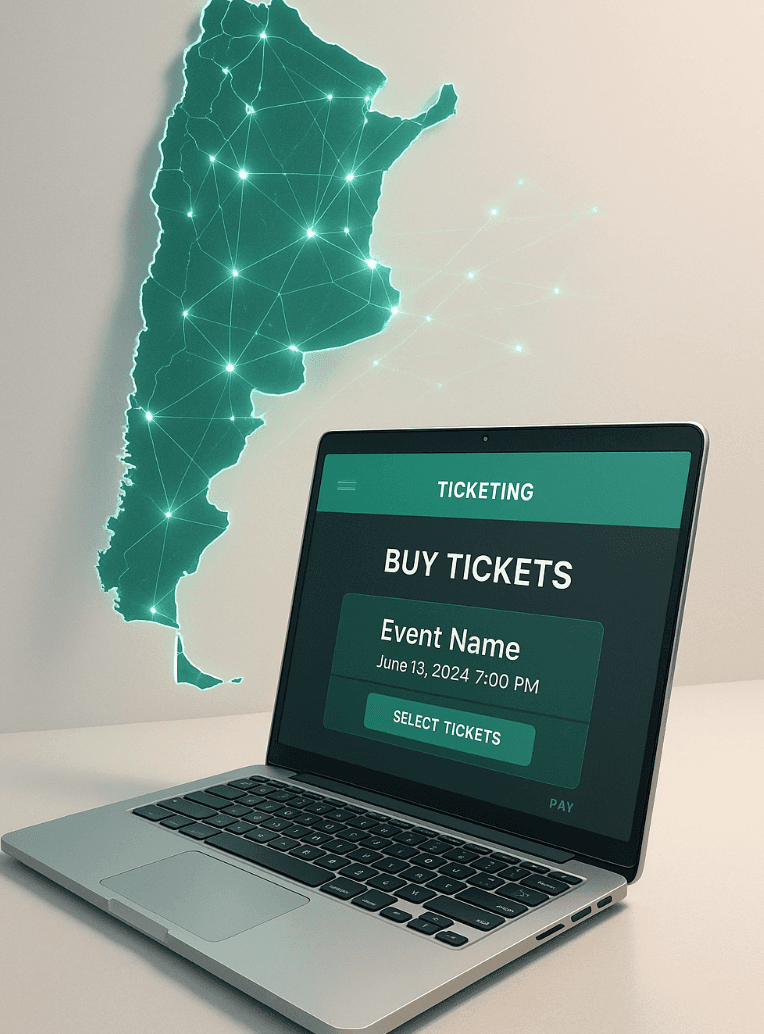
The future of ticketing is no longer a distant promise: it's transforming the event industry in the United States right now. What seemed like innovation reserved for international markets just a few years ago now defines how organizers, promoters and venues sell tickets across the country. The industry has evolved from physical tickets and informal resales to intelligent digital solutions that combine artificial intelligence, complete data control and personalized fan experiences.
This transformation didn't happen overnight. It was a gradual shift driven by demand for greater efficiency, security against ticket fraud, and the need to build loyalty with attendees beyond a simple transaction. Today, platforms demonstrate that the future of ticketing is built on white label solutions, native integration with payment processors like Stripe and Apple Pay, and automated remarketing that increases sales without manual intervention.
What future of ticketing means in 2025
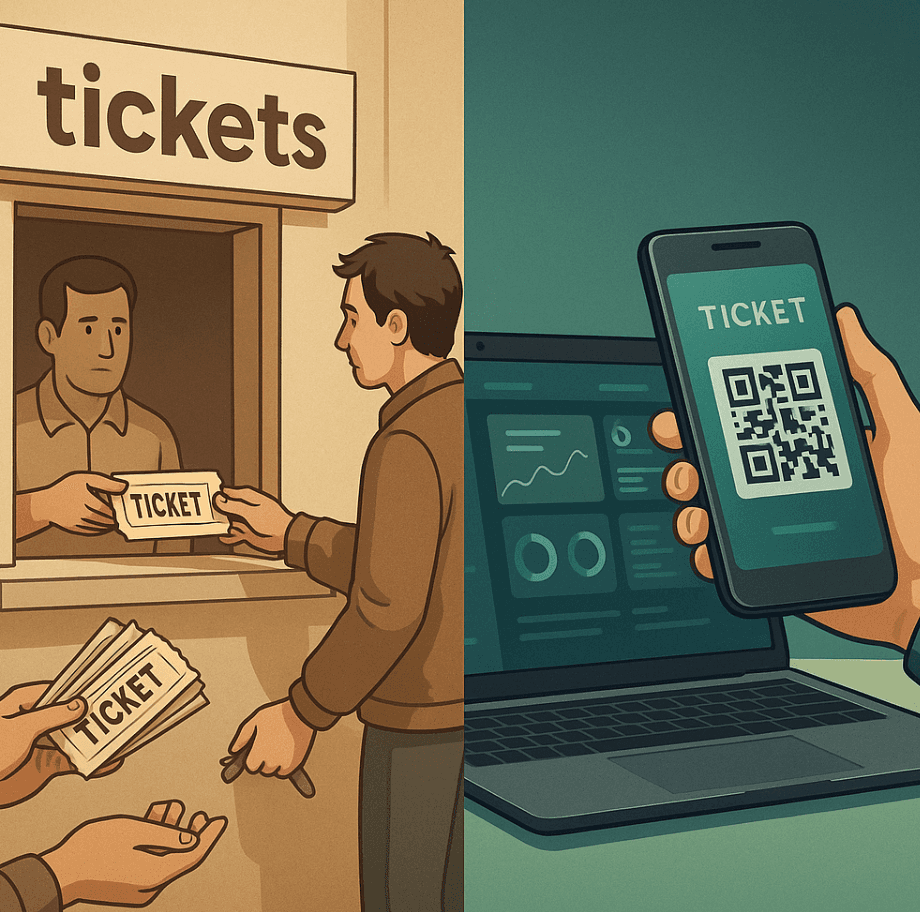
Future of ticketing represents a paradigm shift in how events are managed and how organizers connect with their fans. It's no longer just about selling a ticket: it's about creating a complete experience from the first digital contact to venue arrival and beyond.
Modern ticketing abandons the traditional centralized model where organizers depend on external marketplaces. Instead, white label sales allow each production company, festival or venue to sell tickets under their own domain, with their visual identity and absolute control of user data.
This move toward autonomy marks the sector's most significant evolution. Organizers no longer surrender their fan relationships to third parties: they build them directly, accumulating value with each event, each purchase and each interaction.
The technology that makes this level of control possible includes dashboards with real-time insights, access validation through QR codes, automatic integration with marketing tools, and the ability to export complete attendee interaction history. All of this operates under the organizer's brand, not under the technology platform's logo.
Trends already transforming ticketing in the US
Artificial Intelligence and automated remarketing

AI has revolutionized ticket sales operations across the United States. Advanced systems identify behavioral patterns of fans who visited ticket pages but didn't complete purchases. Through remarketing algorithms, platforms activate automated sequences via email and social media pixels that reach these users with personalized messages.
This automation recovers between 15% and 25% of potentially lost sales without organizers investing manual time. AI continuously learns from each person's behavior, optimizing send times, message content and contact frequency.
For festivals like Coachella or SXSW with high demand or events with long presale windows, AI-powered remarketing has become a key tool for maximizing revenue and filling venue capacity. The technology works 24/7, capturing opportunities that were previously lost due to lack of follow-up.
White label sales and custom domains
The most disruptive advance in US ticketing is the massive adoption of white label solutions. Promoters and organizers implement their own ticketing system under personalized domains (yourtickets.com) without ever showing the technology provider's brand.
This model inverts traditional logic. Instead of fans visiting a generic marketplace where multiple events compete for attention, each organizer creates their own digital ecosystem. The complete experience—from event discovery to ticket download—occurs under a single brand identity.
Leading platforms drive this transition in the US, allowing organizers of all levels to access cutting-edge technology without losing their independence. The result is a strategy where each sale strengthens the organizer's brand, not the ticketing provider's.
This autonomy also protects against arbitrary policy changes or commission adjustments. The organizer maintains absolute control of their business, their data and their fan relationships, without depending on third-party decisions.
Local integrations and native payment methods

The future of ticket sales in markets like the United States requires deep integration with local solutions. Advanced platforms excel with native connections to Stripe, credit cards, ACH transfers, and Apple Pay—the payment methods millions of Americans prefer.
These integrations aren't superficial: they include direct fund deposits to organizer accounts, access to all payment options (credit cards with installments, debit, digital wallets), and complete transparency in each transaction. Organizers see each sale in real-time both in their dashboard and in their payment processor account.
The convenience of paying with trusted local methods reduces purchase friction. A fan who can pay with Apple Pay or their preferred credit card completes transactions more quickly and securely than when facing foreign or complex payment methods.
Additionally, integrations extend to marketing tools: Facebook and Instagram pixels, Google Analytics, email marketing systems and CRM. Everything connected natively so organizers can manage their complete strategy from a unified solution.
Hybrid experience: physical + digital
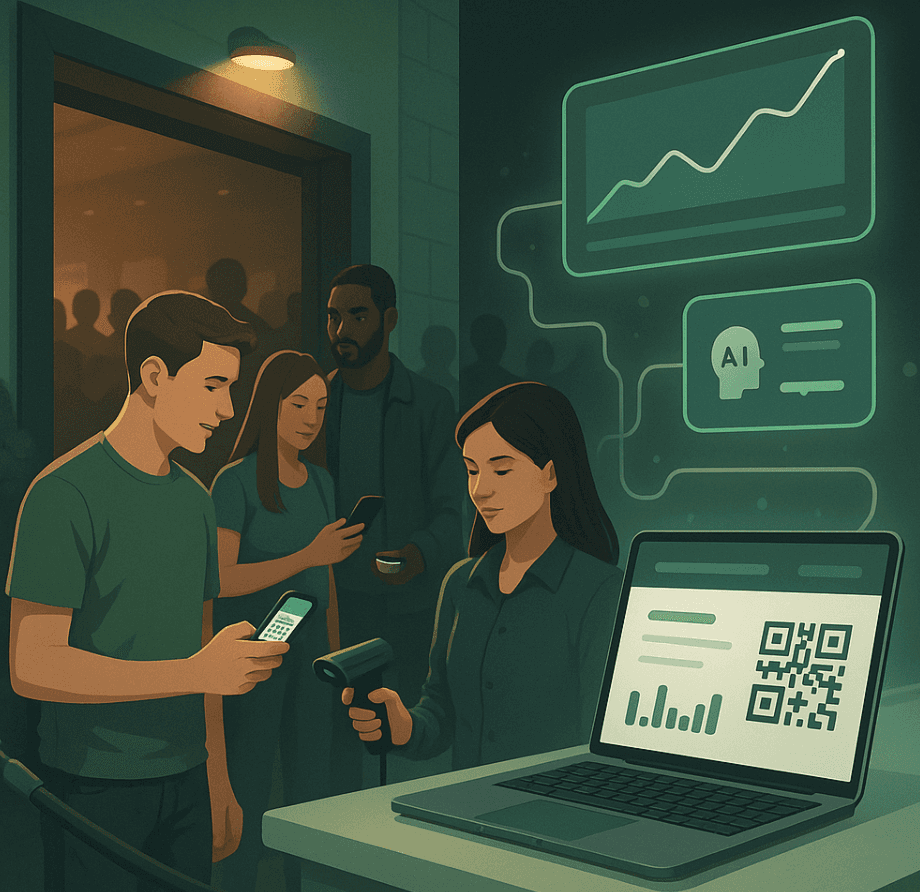
Events have evolved toward hybrid experiences that combine the best of physical and digital worlds. Modern ticketing enables this integration through technology applied before, during and after events.
Before events, fans interact with exclusive digital content, receive automated reminders and access real-time information about schedule changes or updates. Digital tickets include all necessary information on attendees' phones, eliminating the need for paper.
During venue access, QR code validation streamlines entry and prevents fraud or unauthorized resale. Organizers view live arrival metrics, identify entry peaks and adjust door operations accordingly.
After events, contact continues. Data captured during purchase feeds loyalty strategies: early invitations to upcoming events, exclusive content, discounts for returning fans. This extended experience converts occasional attendees into loyal community members.
How future ticket sales look in action
Advanced ticketing isn't theory: it materializes in concrete tools that US organizers use every day. Centralized dashboards show up-to-the-minute sales updates, ticket type distribution, purchasing behavior by time and the origin channel of each transaction.
Access management through dynamic QR codes prevents ticket duplication and fraudulent entry. Each code validates only once when scanned at the door, blocking subsequent access attempts with the same ticket. This security level was unthinkable with paper tickets.
Real-time analytics enable on-the-fly decisions. If an organizer detects that certain ticket types are selling faster than projected, they can adjust availability or launch promotions for categories with lower demand. This agility maximizes revenue and optimizes venue occupancy.
Complete data export is another fundamental pillar. At any moment, organizers can download their fan database with complete history: which tickets they bought, when, at what price, whether they actually attended, and how they responded to previous communications. These insights inform future strategies with precision.
Leading platforms centralize all these capabilities in an accessible platform without requiring advanced technical knowledge. Complex technology operates invisibly while organizers focus on creating better experiences for their fans.
Real benefits for US organizers
Absolute data control and fan relationships: All buyer information remains accessible and exportable at all times, without restrictions or third-party dependencies.
Own brand building: Each sale occurs under the organizer's domain and visual design, accumulating value in their identity, not the technology provider's.
Automated AI remarketing: Automatic recovery of abandoned sales through intelligent sequences that optimize conversion without manual intervention.
Integration with Stripe and payment processors: Funds credited directly to organizer accounts with all payment methods Americans prefer to use.
Live analytics and metrics: Complete visibility of sales performance, fan behavior and access management in real-time from any device.
Security against fraud and resale: Unique QR code validation that prevents ticket counterfeiting and unauthorized venue entry.
Optimized mobile experience: More than 75% of ticket purchases in the US occur from mobile devices. Modern platforms are designed mobile-first to maximize conversion.
Complete operational autonomy: Organizers don't depend on approvals, policy changes or third-party decisions to manage their own ticketing system.
Why the future of ticketing starts with white label
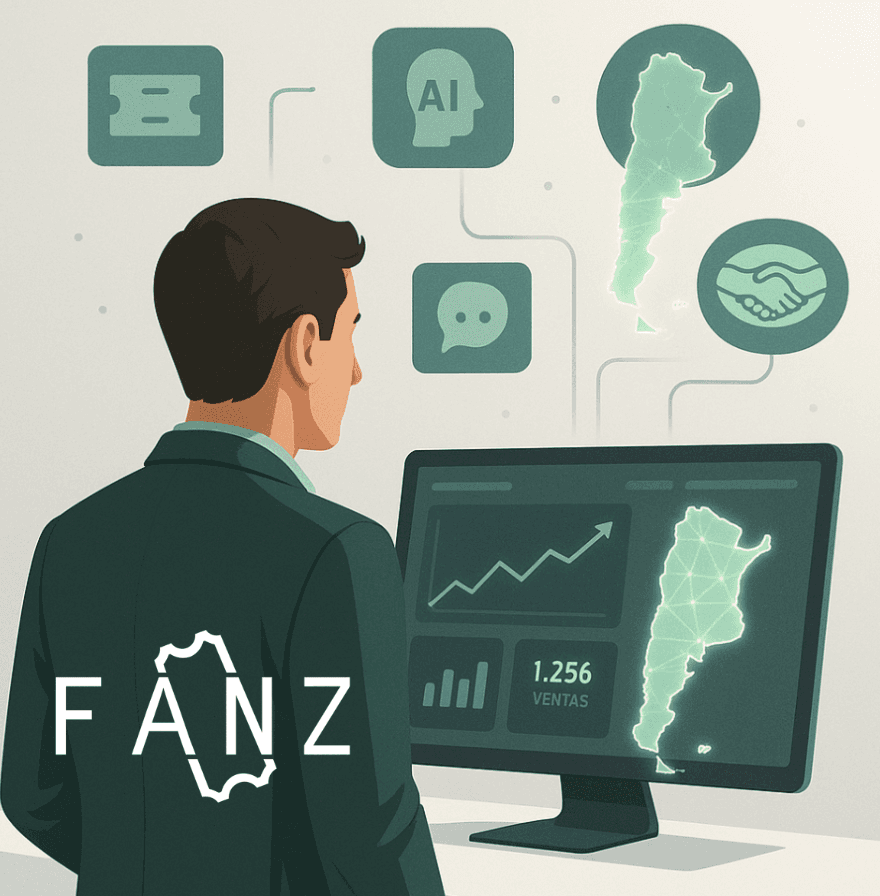
White label isn't just an aesthetic preference: it's a strategic decision that defines who builds long-term value. When an organizer sells tickets under their own domain, each transaction reinforces their market positioning.
Fans associate the purchase experience with the event brand, not with a generic marketplace. This direct connection builds loyalty that transcends individual events. A satisfied attendee returns because they trust the organizer, not because they remember the name of the technology platform that processed their payment.
Accumulated value materializes in concrete assets: proprietary database, organic traffic to the organizer's domain, Google search positioning associated with the event brand. None of this happens when selling through an external marketplace where your event is one among hundreds.
Leading platforms understand this dynamic and build their business model around organizer autonomy. The platform provides technology but remains invisible to fans. The protagonist is always the organizer, their brand, their community.
This philosophy democratizes access to world-class tools. You no longer need to be a giant production company to offer professional purchase experiences with AI remarketing, payment processor integration and advanced analytics. Organizers of all levels compete on equal technological footing, differentiating only through event quality.
Conclusion
The future of ticket sales isn't speculation or projection: it's operating in the United States today. The industry transformation has reached technological maturity with solutions that combine artificial intelligence, white label branding, local integrations and hybrid physical-digital experiences.
Organizers who adopt these tools don't just improve their operations: they build sustainable competitive advantages. They control their data, strengthen their brand, automate remarketing and offer fans the convenience of paying with Stripe, Apple Pay or credit cards under a 100% personalized experience.
The best technology doesn't require sacrificing autonomy for innovation. On the contrary: the best technology empowers organizers rather than making them dependent.
Discover how advanced ticketing platforms transform your ticket sales strategy with white label solutions, AI remarketing and total control. The future of ticket sales starts with the right technology partner.
What is AI ticketing and how does it work?
AI ticketing combines digital ticket sales with intelligent automation, white label branding and complete data control. This means organizers can sell tickets under their own domain, integrate Stripe and Apple Pay natively, and automate remarketing to recover lost sales. Advanced platforms already implement these technologies, allowing events of any size to access world-class tools without depending on traditional marketplaces.
How does AI remarketing work in ticket sales?
AI remarketing identifies users who visited ticket pages but didn't complete purchases, then automatically launches personalized email sequences and social media retargeting campaigns. The system learns from user behavior to optimize message timing, content and frequency, typically recovering 15-25% of potentially lost sales without manual intervention from organizers.
¿Qué es el future ticketing y cómo está transformando la venta de entradas en Argentina?
El future ticketing representa un cambio de paradigma en la gestión de eventos y cómo los organizadores se conectan con sus fans. Ya no se trata solo de vender una entrada: es crear una experiencia completa desde el primer contacto digital hasta la llegada al venue y más allá. Incluye soluciones white label que permiten a cada productora, festival o venue vender entradas bajo su propio dominio, con su identidad visual y control absoluto de los datos de usuarios. La tecnología incluye dashboards con insights en tiempo real, validación de acceso por códigos QR, integración automática con herramientas de marketing y la capacidad de exportar el historial completo de interacciones de asistentes.
¿Cómo funciona el remarketing automático con inteligencia artificial en la venta de tickets?
El remarketing con IA identifica patrones de comportamiento de fans que visitaron páginas de entradas pero no completaron compras. A través de algoritmos de remarketing, las plataformas activan secuencias automatizadas vía email y píxeles de redes sociales que llegan a estos usuarios con mensajes personalizados. Esta automatización recupera entre 15% y 25% de ventas potencialmente perdidas sin que los organizadores inviertan tiempo manual. La IA aprende continuamente del comportamiento de cada persona, optimizando horarios de envío, contenido de mensajes y frecuencia de contacto.
¿Qué ventajas tienen las soluciones white label en el ticketing moderno?
Las soluciones white label permiten que los organizadores vendan entradas bajo dominios personalizados sin mostrar jamás la marca del proveedor de tecnología. Los fans asocian la experiencia de compra con la marca del evento, no con un marketplace genérico. Esta conexión directa construye lealtad que trasciende eventos individuales. El valor acumulado se materializa en activos concretos: base de datos propia, tráfico orgánico al dominio del organizador, posicionamiento en Google asociado con la marca del evento. Además, protege contra cambios arbitrarios de políticas o ajustes de comisiones, manteniendo control absoluto del negocio.
¿Qué métodos de pago locales integra el future ticketing en Argentina?
Las plataformas avanzadas se destacan con conexiones nativas a procesadores como Stripe, tarjetas de crédito, transferencias ACH y Apple Pay. Estas integraciones incluyen depósitos directos de fondos a cuentas de organizadores, acceso a todas las opciones de pago que prefieren los usuarios, y transparencia completa en cada transacción. Los organizadores ven cada venta en tiempo real tanto en su dashboard como en su cuenta del procesador de pagos. La conveniencia de pagar con métodos locales confiables reduce la fricción de compra.
¿Cómo previene el fraude y la reventa no autorizada el ticketing del futuro?
La validación por códigos QR dinámicos previene la duplicación de entradas y el ingreso fraudulento. Cada código se valida solo una vez al escanearse en la puerta, bloqueando intentos de acceso posteriores con la misma entrada. Este nivel de seguridad era impensable con entradas en papel. Los organizadores pueden ver métricas de llegada en vivo, identificar picos de entrada y ajustar las operaciones de puerta en consecuencia. Esto elimina efectivamente la falsificación de entradas y el acceso no autorizado al venue.
Tags