Las estrategias de marketing de eventos exitosas requieren un enfoque híbrido que combine plataformas digitales, análisis de audiencia y tácticas avanzadas para generar engagement real y diferenciarse en un mercado competitivo. La clave está en la segmentación precisa del público objetivo, la personalización de mensajes basada en datos, y la integración de múltiples canales como redes sociales, email marketing y publicidad paga para maximizar el alcance. Un enfoque estratégico que acompañe al cliente durante todo su journey desde el descubrimiento hasta la conversión es fundamental para transformar eventos desapercibidos en experiencias memorables que fortalezcan la marca y generen ROI predecible.
Event marketing strategies have become the differentiating factor between successful events and those that go unnoticed. Capturing audience attention is essential to differentiate and ensure the success of any event. In 2025, event marketing requires a hybrid approach that combines digital platforms, email marketing, target audience analytics, and advanced tactics to attract attendees and generate real engagement. An innovative brand experience can significantly strengthen the connection with the audience and leave a lasting impression. Whether you're organizing an in-person, virtual, or hybrid event, the right strategies determine if your venue will be packed or empty. This guide details the most effective event marketing strategies for the US market, from defining buyer personas to measuring results, considering different forms event marketing can take and the importance of creative ideas in strategy development to stand out in the marketplace. Implementing these tactics ensures your event not only attracts the right target audience but also generates a memorable experience that strengthens your brand and maximizes return on investment.
What are event marketing strategies and why are they essential
Event marketing strategies are the set of tactics and methods designed to promote an event, attract attendees, and maximize engagement before, during, and after the experience. These strategies begin with target audience identification, supported by creating buyer personas to deeply understand the audience, using detailed profiles derived from sales data and AI technology. They also include creating content that resonates with that audience, managing digital platforms, email marketing, digital advertising, and optimizing the event website.
An effective marketing strategy answers three fundamental questions: Who is my audience? How do I reach them? What experience do I want them to remember? In the digital era, event marketing relies on data to segment targets, personalize messages, and measure the reach of each campaign. Understanding customers, their preferences and needs is fundamental, as this directly influences strategy and allows designing personalized experiences that increase loyalty. Strategies must adapt to the event type: a B2B corporate event requires different tactics than a music festival like Coachella or a hybrid conference, where combining in-person and virtual elements expands reach and participation.
Event marketing success depends on integrating multiple channels: digital platforms to amplify the message, email to nurture leads, paid ads to expand visibility, and an optimized landing page on your website to convert visits into registrations, especially highlighting the event space to differentiate in a competitive market. The most successful marketing strategies consider the three event phases: pre-event (generate anticipation), during the event (maximize engagement), and post-event (retain participants for future editions).
Event marketing: The evolution of event promotion
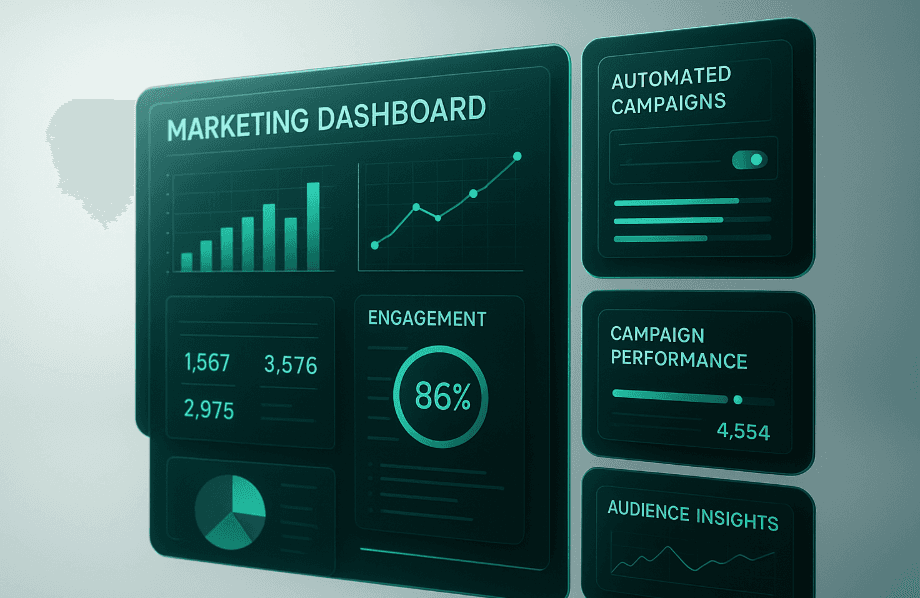
Event marketing has evolved from traditional methods (flyers, radio) to complex digital ecosystems. Today, professional event marketing integrates automation, artificial intelligence, and predictive analytics to optimize every tactic. Event organizers who master modern event marketing gain sustainable competitive advantages: lower acquisition costs, higher attendee satisfaction, and predictable ROI.
The digital transformation of event marketing enables personalization at scale. While previously you sent the same invitation to everyone, now you segment by industry, position, interests, and previous behavior. Thanks to AI-powered audience segmentation, it's possible to divide audiences into specific groups based on their preferences and interests, allowing message personalization and improved customer experience. A B2B tech event might have 15 simultaneous marketing campaign variants, each optimized for a specific microsegment. This hypersegmentation is the core of successful event marketing in 2025.
Additionally, contemporary event marketing measures everything: from which subject line generates more opens to which button color converts better on the landing page. This data obsession transforms event marketing into applied science. Professionalization and data-driven decision making require solid expertise in digital event marketing, as decisions are no longer based on intuition or generic "best practices," but on specific evidence from your event and your target audience.
Marketing strategy: Fundamentals for successful events
A robust marketing strategy for events defines clear objectives, identifies success metrics and key performance indicators (KPIs), and establishes the execution roadmap. Without strategy, tactics are random. The marketing strategy answers: What do we want to achieve? (awareness, leads, sales). Who is our ideal target? Which channels do we prioritize? What is our differentiator vs other events?
The event marketing strategy framework includes competitive analysis: what other events compete for the same audience, what they do well, where their weaknesses are. It also defines positioning: Is your event the largest? The most specialized? Best for networking? This positioning is reflected in every message, every post, every campaign.
Marketing strategy also establishes investment priorities. With limited budgets, you must choose: Do you invest more in paid ads or video production? Do you prioritize influencers or partnerships? A clear strategy eliminates indecision and aligns the team. Additionally, data usage facilitates strategic decision making, allowing action prioritization based on real information. Events with documented marketing strategies consistently outperform those that improvise.
Phase 1: Pre-event marketing strategies to generate anticipation
Target audience definition and buyer personas
The first step in any event marketing strategy is precisely defining who your audience is. User profiles, known as buyer personas, are semi-fictional representations of your ideal attendees based on demographics, behaviors, motivations, and objectives. For a B2B event, your audience might be marketing directors at tech companies; for a cultural event, young families interested in contemporary art.
Creating detailed profiles allows personalizing all your marketing strategies. Each profile has preferred communication channels: some respond better to email, others discover events on Instagram. Audience segmentation, especially when supported by artificial intelligence, helps divide audiences into specific groups based on their preferences and interests, enabling message personalization and improved customer experience. Target segmentation also determines post tone, examples used in your marketing campaigns, and even the type of venue you choose. A common mistake is targeting a generic audience; the most effective event marketing strategies speak directly to specific segments.
Additionally, understanding your customers' journey phases allows designing tactics for each stage: awareness (discovering your event), consideration (evaluating whether to attend), and decision (buying tickets). Successful event marketing strategies accompany customers throughout this journey with relevant content at each phase, considering their needs and preferences. Event objectives may also include promoting or selling specific products, aligning strategy with attendee interests and expected business results.
Creating anticipatory content on social media
Social media platforms are the epicenter of modern event marketing. Platforms like Instagram, Facebook, LinkedIn, and TikTok allow generating buzz months before the event. The key is creating a content marketing strategy that tells your event's story, introduces speakers or artists, shows venue previews, and builds genuine anticipation.
Pre-event content should be varied: teaser videos, interviews with featured participants, polls to engage the target audience, countdown posts, and behind-the-scenes event content. The most effective strategies on digital platforms generate conversation and increase social media mentions, a key metric for measuring impact and social media engagement. Use strategic hashtags, tag speakers and sponsors, and create paid marketing campaigns to expand visibility beyond your organic reach.
Social media ads enable precise targeting: you can reach people with specific interests, determined online behaviors, or even create lookalike audiences based on your previous attendees. A robust event marketing strategy combines organic posts with paid ads, investing where data shows better returns. Social media engagement also becomes social proof: when your target sees others excited about the event, their likelihood of attending increases. Additionally, paid campaigns can directly drive ticket sales, generating greater interest and facilitating follower-to-attendee conversion.
Email marketing: Invitation and nurturing sequences
Email remains one of the highest ROI channels in event marketing. Email marketing strategies for events include invitation sequences, reminders, exclusive offers, and educational content that prepares participants for the experience. Email marketing is also fundamental for promoting not only products and experiences but any event-related services, enhancing perception and credibility with the audience. An effective email marketing strategy segments the database: you don't send the same message to someone who already registered as to someone who only visited your website.
Sequences are especially powerful: after the initial email, a series of automated messages shares testimonials from previous attendees, reveals speakers or exclusive content, creates urgency with time-limited discounts, and addresses common objections. These email contents should be valuable, not just promotional. For example, if organizing a tech event, you can send tips or mini guides that position your event as an authority.
Personalization is critical in email: include the recipient's name, mention their specific interests, and adapt the call-to-action based on their customer journey phase. Behavioral data (who opens, who clicks) informs subsequent tactics: you can remarket to those who showed interest but didn't register. An event marketing strategy that integrates email with other strategies like social media platforms and ads multiplies each channel's impact.
Influencer collaborations and community building
Influencer marketing exponentially amplifies your event's visibility. Identifying influencers, thought leaders, and industry experts who resonate with your target audience and building strategic partnerships generates instant credibility. These industry leaders can promote your event on their social media, attend as speakers or panelists, or create exclusive content you distribute through your channels.
Community building is a long-term strategy that transcends a single event. It's about building a community of people passionate about your event's theme, who interact with each other before, during, and after the experience. WhatsApp groups, Discord communities, or private Facebook groups allow participants to connect in advance, generating organic engagement and strengthening the event experience.
Community building strategies also facilitate word-of-mouth marketing: when someone shares their excitement about your event with peers, that message carries more weight than any advertising. Encourage user-generated content: ask your target audience to share why they're excited to attend, use those testimonials in your marketing campaigns, and reward participation with exclusive access or discounts.
Marketing campaigns: Paid advertising on social media and Google Ads
Paid ads on social media platforms and Google are visibility and reach accelerators. While organic posts build community, ads expand your message to new targets who didn't know you, increasing both reach and visibility of your event. An effective paid advertising marketing strategy combines different objectives: awareness (letting people know your event exists), consideration (generating interest), and conversion (getting them to register).
On Facebook and Instagram, video ads generate more engagement than static images. Show the venue's energy, attendee testimonials, or a preview of what they'll experience. On LinkedIn, ads work better for professional B2B events, segmenting by position, industry, or company size. Google Ads capture intentional searches: when someone searches "tech events in Austin," your ad should appear.
¿Qué son las estrategias de marketing de eventos y por qué son fundamentales para el éxito?
Las estrategias de marketing de eventos son el conjunto de tácticas y métodos diseñados para promocionar un evento, atraer asistentes y maximizar el engagement antes, durante y después de la experiencia. Son fundamentales porque se han convertido en el factor diferenciador entre eventos exitosos y aquellos que pasan desapercibidos. Estas estrategias comienzan con la identificación del público objetivo, incluyen la creación de contenido que resuene con esa audiencia, el manejo de plataformas digitales, email marketing, publicidad digital y la optimización del sitio web del evento. Una estrategia efectiva responde tres preguntas fundamentales: ¿Quién es mi audiencia? ¿Cómo los alcanzo? ¿Qué experiencia quiero que recuerden?
¿Cómo ha evolucionado el marketing de eventos desde los métodos tradicionales hasta la era digital?
El marketing de eventos ha evolucionado desde métodos tradicionales como volantes y radio hasta ecosistemas digitales complejos. Hoy, el marketing profesional de eventos integra automatización, inteligencia artificial y análisis predictivos para optimizar cada táctica. La transformación digital permite personalización a escala: mientras antes se enviaba la misma invitación a todos, ahora se segmenta por industria, posición, intereses y comportamiento previo. Gracias a la segmentación de audiencia potenciada por IA, es posible dividir audiencias en grupos específicos basados en sus preferencias e intereses. Un evento B2B tech podría tener 15 variantes de campañas de marketing simultáneas, cada una optimizada para un microsegmento específico.
¿Cuáles son las estrategias clave para la fase previa al evento y generar expectativa?
Las estrategias pre-evento incluyen cuatro pilares fundamentales: 1) Definición precisa del público objetivo y creación de buyer personas detallados, 2) Creación de contenido anticipatorio en redes sociales con videos teaser, entrevistas con participantes destacados y contenido detrás de escenas, 3) Email marketing con secuencias de invitación, recordatorios y contenido educativo que prepare a los participantes, y 4) Colaboraciones con influencers y construcción de comunidad para generar credibilidad instantánea. Estas estrategias deben personalizarse según el tipo de evento: un evento corporativo B2B requiere tácticas diferentes a un festival de música o una conferencia híbrida.
¿Por qué es importante segmentar el público objetivo en el marketing de eventos?
La segmentación del público objetivo es crucial porque permite personalizar todas las estrategias de marketing. Cada perfil tiene canales de comunicación preferidos: algunos responden mejor al email, otros descubren eventos en Instagram. La segmentación de audiencia, especialmente cuando está respaldada por inteligencia artificial, ayuda a dividir audiencias en grupos específicos basados en sus preferencias e intereses, permitiendo personalización de mensajes y mejora de la experiencia del cliente. También determina el tono de las publicaciones, los ejemplos usados en las campañas de marketing y hasta el tipo de venue que elegís. Un error común es dirigirse a una audiencia genérica; las estrategias más efectivas hablan directamente a segmentos específicos.
¿Cómo se implementa una estrategia efectiva de email marketing para eventos?
Una estrategia efectiva de email marketing incluye secuencias de invitación, recordatorios, ofertas exclusivas y contenido educativo que prepare a los participantes para la experiencia. Lo fundamental es segmentar la base de datos: no enviás el mismo mensaje a alguien que ya se registró que a alguien que solo visitó tu sitio web. Las secuencias son especialmente poderosas: después del email inicial, una serie de mensajes automatizados comparte testimonios de asistentes anteriores, revela speakers o contenido exclusivo, crea urgencia con descuentos por tiempo limitado y aborda objeciones comunes. La personalización es crítica: incluí el nombre del destinatario, mencioná sus intereses específicos y adaptá el call-to-action según su fase en el customer journey.
¿Qué papel juegan las campañas pagas en redes sociales y Google Ads en el marketing de eventos?
Las campañas pagas en redes sociales y Google son aceleradores de visibilidad y alcance. Mientras las publicaciones orgánicas construyen comunidad, los ads expanden tu mensaje a nuevos targets que no te conocían. Una estrategia efectiva de publicidad paga combina diferentes objetivos: awareness (que la gente sepa que tu evento existe), consideración (generar interés) y conversión (lograr que se registren). En Facebook e Instagram, los video ads generan más engagement que las imágenes estáticas. En LinkedIn, los ads funcionan mejor para eventos profesionales B2B, segmentando por posición, industria o tamaño de empresa. Google Ads capturan búsquedas intencionales: cuando alguien busca eventos tech en Buenos Aires, tu ad debería aparecer.
Tags